Blog
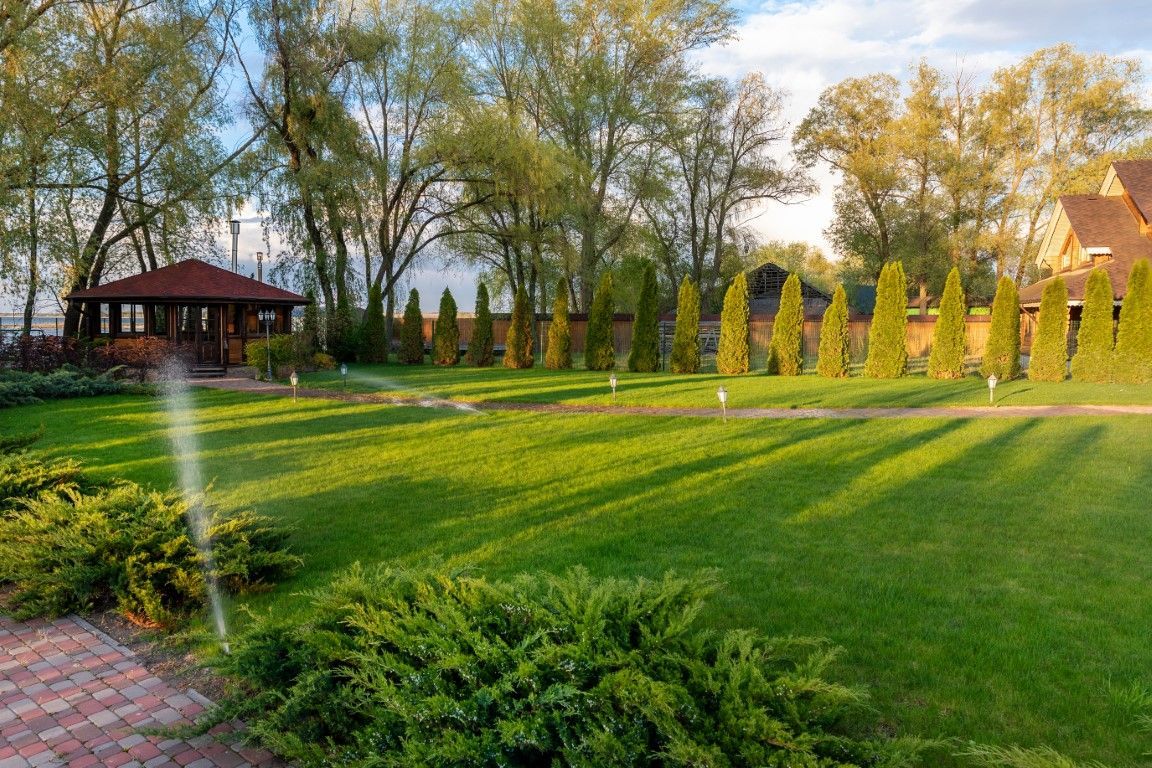
Living in Dana Point, CA means enjoying coastal beauty, but it also means being mindful of water usage. With ongoing drought concerns, water restrictions, and rising utility costs, homeowners are looking for smarter ways to maintain lush lawns without wasting water. Fortunately, with the right irrigation techniques, you can keep your lawn healthy while significantly reducing water consumption. Here’s your complete guide to smart lawn irrigation tips for Dana Point homeowners. 🌿 1. Water at the Right Time of Day When you water matters just as much as how much you water. In coastal climates like Dana Point, watering at the wrong time can lead to evaporation and runoff. Best Watering Times: Early morning (4 a.m. – 8 a.m.) Avoid midday watering when heat and wind cause evaporation Avoid nighttime watering, which promotes fungus Pro Tip: Morning watering allows moisture to reach roots while reducing disease risk. 💦 2. Adjust Watering for Coastal Conditions Dana Point lawns benefit from coastal fog and marine layer moisture, meaning they often require less irrigation than inland areas. Smart Adjustments: Reduce watering on foggy or humid days Increase watering slightly during hot, windy periods Monitor soil moisture instead of following a rigid schedule Pro Tip: Install a smart irrigation controller that adjusts watering automatically based on weather conditions. 🧠 3. Upgrade to Smart Irrigation Controllers Smart controllers use real-time weather data to optimize watering schedules and prevent unnecessary irrigation. Benefits of Smart Controllers: Automatically skip watering during rain or high humidity Adjust watering based on temperature and soil conditions Reduce water waste by up to 30–50% Help comply with local water restrictions Pro Tip: Many water agencies offer rebates for installing smart irrigation systems. 🌱 4. Choose Drought-Tolerant Grass Varieties Selecting the right grass type plays a major role in water conservation. Best Grass Types for Dana Point Lawns: Bermuda Grass – Heat- and drought-tolerant Zoysia Grass – Dense growth with low water needs St. Augustine Grass – Performs well in coastal climates Pro Tip: Consider overseeding thin areas to prevent water loss through exposed soil. 🌾 5. Water Deeply but Less Frequently Frequent shallow watering leads to weak root systems and higher water usage. Efficient Watering Strategy: Water 1–2 times per week, depending on weather Apply enough water to penetrate 6–8 inches into the soil Allow soil to dry slightly between watering sessions Pro Tip: Use a soil probe or screwdriver — if it slides easily into the soil, moisture levels are sufficient. 🚿 6. Maintain and Adjust Your Irrigation System Poorly maintained irrigation systems waste more water than necessary. Maintenance Checklist: Repair leaks or broken sprinkler heads Adjust spray direction away from sidewalks and driveways Replace outdated sprinklers with high-efficiency rotors Check pressure to prevent misting Pro Tip: Schedule a seasonal irrigation system inspection to ensure optimal performance. 🍂 7. Improve Soil Health to Retain Moisture Healthy soil holds water more efficiently, reducing the need for frequent irrigation. Soil Improvement Tips: Aerate compacted soil to improve absorption Apply compost or organic soil conditioners Add mulch around lawn edges and landscaping Pro Tip: Aerating once a year helps coastal lawns absorb water more effectively. 🌞 8. Reduce Lawn Size with Smart Landscaping Reducing turf areas can significantly lower water usage. Water-Saving Alternatives: Install drought-tolerant ground cover Add native plants Use decorative gravel or hardscaping Create functional outdoor spaces with patios or walkways Pro Tip: Dana Point’s climate is perfect for California-native landscaping that requires minimal irrigation. 🚫 9. Avoid Overwatering — Watch for Warning Signs Too much water can damage your lawn and waste resources. Signs of Overwatering: Yellowing grass Mushy or spongy soil Fungus growth Water pooling Pro Tip: Reduce watering immediately if you notice these symptoms. Conclusion Saving water doesn’t mean sacrificing a healthy lawn. By adopting smart irrigation practices, upgrading your system, and understanding Dana Point’s coastal climate, you can enjoy a vibrant lawn while conserving water and lowering your utility bills.
Coastal lawns are beautiful, lush greenery framed by ocean breezes and soft coastal air. But maintaining that beauty naturally can be challenging. Coastal environments often bring high humidity, salt exposure, sandy soil, and year-round pests, making weed and pest control feel like an ongoing battle. The good news? You can keep your lawn healthy, green, and pest-free without harsh chemicals. With the right natural methods, homeowners in coastal regions can enjoy clean, vibrant lawns that thrive in their unique climate. Here are the most effective natural strategies to control weeds and pests in coastal lawns. 🌿 1. Build Healthy Soil — The Foundation of Natural Weed Control Healthy soil produces thicker, stronger grass that naturally crowds out weeds. In coastal regions where soil may be sandy or nutrient-poor, improving soil health is essential. Natural Soil-Boosting Tips: Add organic compost to improve nutrient levels and moisture retention. Use mulch around garden beds and walkways to suppress weeds. Choose slow-release organic fertilizers for long-term soil enrichment. Pro Tip: A soil test helps determine deficiencies so you can balance pH levels — crucial for lawns exposed to salt and humidity. 🌾 2. Choose Grass Varieties Best Suited for Coastal Environments The right grass type can dramatically reduce weed and pest problems. Coastal lawns need grass that tolerates salt spray, moisture, heat, and thin soils. Best Natural Options for Coastal Lawns: Bermuda Grass: Highly salt-tolerant and drought-resistant. St. Augustine Grass: Thick growth pattern naturally blocks weeds. Zoysia Grass: Dense, durable, and resilient against pests. Pro Tip: A thick lawn is your best defense — overseed thin areas each year to prevent gaps where weeds can take root. 🐞 3. Introduce Beneficial Insects for Natural Pest Control Not all bugs are bad! In fact, some insects are essential allies in keeping lawn-damaging pests under control — especially in coastal areas where moisture invites pests. Beneficial Insects to Encourage: Ladybugs: Eat aphids and small soft-bodied pests. Nematodes: Attack grubs and larvae in the soil. Lacewings: Target aphids, caterpillars, and mealybugs. Pro Tip: Planting native coastal flowers like yarrow, seaside daisies, and lavender attracts these beneficial insects naturally. 🚿 4. Water Deeply but Infrequently Overwatering encourages weeds, fungus, and pests — a common issue in coastal climates with high humidity. Instead, deep and infrequent watering helps grass grow stronger roots while discouraging unwanted growth. Natural Watering Guidelines: Water early in the morning to reduce moisture-related diseases. Aim for deep root soaking 1–2 times per week. Use drip irrigation or efficient sprinklers to prevent overwatering. Pro Tip: Install a rain sensor to automatically pause watering during coastal fog or storms. 🌤 5. Mow Properly to Prevent Weeds Mowing too short stresses your lawn, making it vulnerable to weeds. Coastal lawns benefit from slightly taller grass, which helps shade soil and prevent weed seeds from germinating. Natural Mowing Tips: For most coastal grasses, keep the height at 3–4 inches. Leave grass clippings — they break down naturally, adding nutrients. Sharpen mower blades regularly for clean, healthy cuts. Pro Tip: Adjust mower height seasonally: longer in dry months, shorter in cooler months. 🧽 6. Apply Natural Weed Treatments For stubborn weeds, natural spot-treatment alternatives can help without harming your lawn or the environment. Eco-Friendly Weed Solutions: Boiling water for sidewalk and patio cracks. Vinegar-based natural herbicides (use carefully to avoid grass). Corn gluten meal to prevent weed seeds from sprouting. Manual removal using a weed-pulling tool for deep taproots. Pro Tip: Always treat weeds early before they flower and spread seeds across your lawn. 🪲 7. Use Organic Pest Control Techniques Coastal areas often attract pests like chinch bugs, grubs, and armyworms. Natural control methods keep pests in check without chemical runoff into waterways. Effective Natural Pest Methods: Neem oil repels many common lawn pests. Diatomaceous earth dries out crawling insects. Milky spore powder targets grub populations naturally. Garlic spray repels mosquitos and soft-bodied insects. Pro Tip: Monitor your lawn regularly — catching pests early prevents widespread damage. 🌱 8. Aerate to Improve Lawn Resilience Coastal soils can become compacted from high foot traffic or moisture. Aerating once a year helps your lawn breathe and grow stronger. Benefits of Aeration: Improves nutrient and oxygen flow Supports stronger root systems Reduces standing water that attracts pests Encourages overall lawn density Pro Tip: Pair aeration with overseeding and organic fertilizer for maximum natural lawn health. Conclusion Controlling weeds and pests naturally in coastal lawns is not only possible — it’s highly effective when done with the right strategy. By focusing on soil health, proper grass selection, beneficial insects, and eco-friendly treatments, coastal homeowners can maintain a lush, vibrant lawn without relying on harsh chemicals.
The body content of your post goes here. To edit this text, click on it and delete this default text and start typing your own or paste your own from a different source.
The body content of your post goes here. To edit this text, click on it and delete this default text and start typing your own or paste your own from a different source.
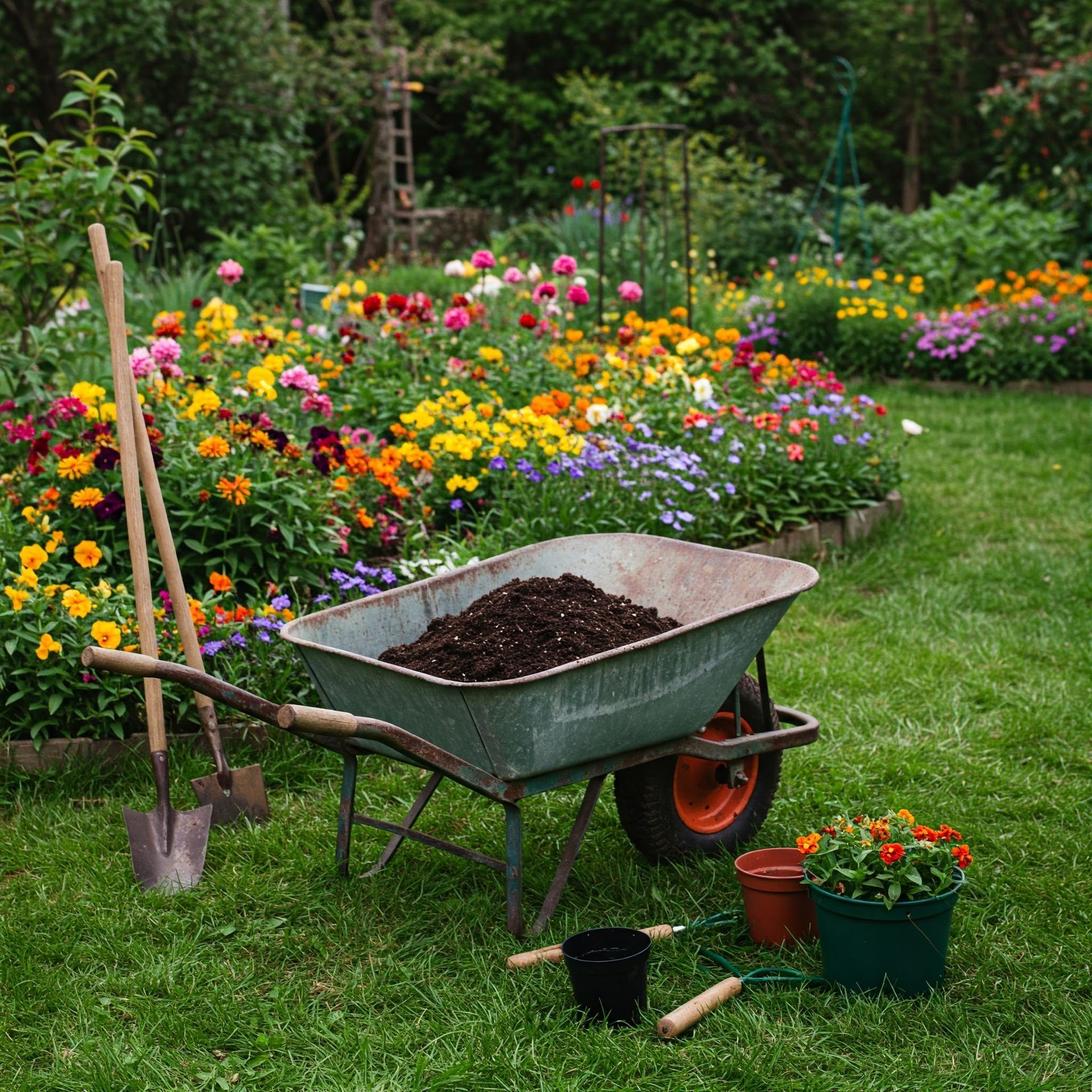
The body content of your post goes here. To edit this text, click on it and delete this default text and start typing your own or paste your own from a different source.
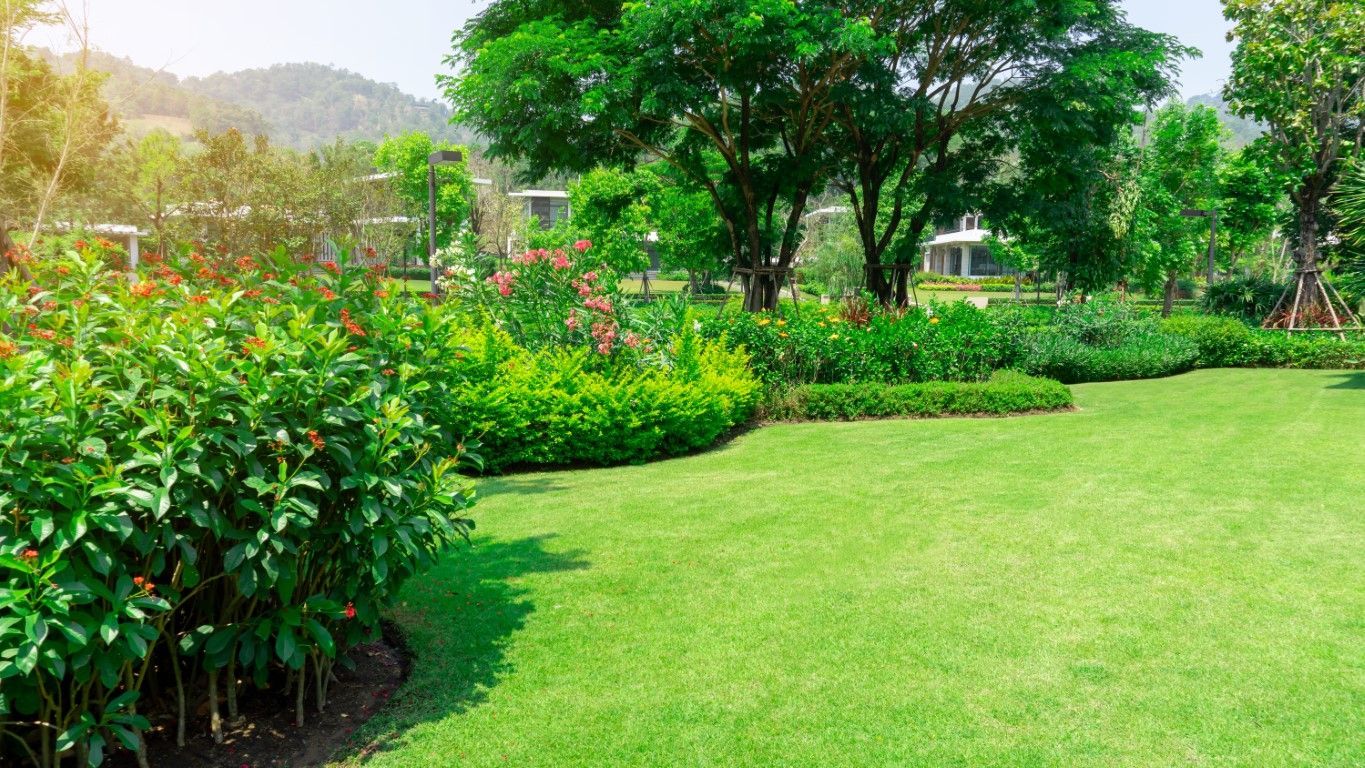
Maintaining a lush, green lawn in Dana Point, CA can be a challenge. While the coastal breeze and mild weather are ideal for outdoor living, the unique combination of salt air, sunshine, and seasonal dryness can take a toll on your grass. From patchy spots to stubborn weeds, local homeowners often face recurring lawn issues that can be frustrating to manage. But the good news? Most of these problems can be solved with the right approach — and a little help from your local Dana Point lawn care experts. Here are the five most common lawn problems in Dana Point — and how to fix them for a healthy, thriving yard year-round. 1. Drought Stress and Dry Patches With California’s long, dry seasons, drought stress is one of the most common problems for lawns in Dana Point. Grass can turn brown or thin out due to lack of consistent moisture. How to Fix It: Water early in the morning to reduce evaporation. Deep-water lawns 2–3 times a week instead of frequent light watering. Use drought-tolerant grass varieties like Bermuda or Zoysia. Aerate your lawn annually to improve water absorption. Pro Tip: Install a smart irrigation system that automatically adjusts to Dana Point’s weather conditions to conserve water while keeping your grass hydrated. 2. Coastal Salt Damage Dana Point’s ocean breeze brings beauty — and salt. Unfortunately, salt buildup can dehydrate grass and damage soil structure, leaving behind yellow or dead spots near coastal areas. How to Fix It: Rinse affected areas with fresh water weekly to flush out salt buildup. Apply gypsum soil conditioner to neutralize sodium levels. Choose salt-tolerant grass types, such as Seashore Paspalum or St. Augustine. Pro Tip: Mulching along the perimeter of your lawn can reduce salt spray impact and preserve soil moisture. 3. Lawn Pests and Insects Common lawn pests like grubs, chinch bugs, and sod webworms can wreak havoc beneath the surface, eating away at grass roots and causing brown patches. How to Fix It: Inspect your lawn for irregular dead spots or soft, spongy areas. Apply a natural or chemical lawn pest treatment in late spring or early summer. Maintain a consistent fertilization and aeration routine to strengthen root systems. Pro Tip: Encouraging beneficial insects, such as ladybugs and nematodes, helps keep harmful pest populations under control naturally. 4. Weed Overgrowth Weeds like crabgrass, dandelions, and clover thrive in Dana Point’s temperate coastal climate, competing with your lawn for water and nutrients. How to Fix It: Apply a pre-emergent herbicide in early spring to prevent weed germination. Spot-treat visible weeds with targeted post-emergent treatments. Keep your grass thick and healthy — a dense lawn naturally chokes out weeds. Regularly mow to the recommended height for your grass type. Pro Tip: Healthy lawns are the best defense against weeds. Combine proper mowing, watering, and fertilization for long-term prevention. 5. Fungal Lawn Diseases High humidity and morning fog — both common in Dana Point — can create perfect conditions for fungal issues like brown patch, dollar spot, or rust fungus. How to Fix It: Improve drainage and avoid overwatering. Water early in the morning to allow grass to dry throughout the day. Apply a fungicide treatment if necessary. Rake up excess thatch to increase airflow around the base of your grass. Pro Tip: Consistent lawn aeration and dethatching once a year can help prevent fungal buildup and keep your lawn resilient.

Living in Dana Point, CA, means enjoying ocean views, cool breezes, and plenty of sunshine year-round, but maintaining a lush, green lawn in a coastal climate comes with its own challenges. The salty air, sandy soil, and moderate humidity can make it harder for certain grass types to thrive. The good news? With the right grass selection, you can enjoy a durable, vibrant, and low-maintenance lawn that looks beautiful season after season. Here’s a guide to the best grass types for coastal lawns in Dana Point, and how to keep them healthy near the ocean. 1. Bermuda Grass — The Coastal Champion Bermuda grass is one of the most popular choices for Dana Point homeowners thanks to its durability and salt tolerance. Why It’s Great for Coastal Lawns: Thrives in full sun and high temperatures. Resistant to salt and drought — ideal for oceanfront homes. Quick to recover from foot traffic and wear. Maintenance Tip: Mow regularly and aerate once or twice a year to keep Bermuda lawns thick and lush. 2. Zoysia Grass — The Low-Maintenance Option If you’re looking for a dense, soft lawn that requires less mowing, Zoysia grass is an excellent choice. Why It’s Great for Coastal Lawns: Tolerates salt spray and sandy soil conditions. Naturally resists weeds and pests. Retains moisture well in the sunny Dana Point climate. Maintenance Tip: Zoysia grows slowly, so it needs less frequent mowing — but it benefits from seasonal fertilization to stay vibrant. 3. St. Augustine Grass - The Coastal Favorite St. Augustine grass is a classic pick for California’s coastal regions because of its lush texture and exceptional salt resistance. Why It’s Great for Coastal Lawns: Performs well in sandy soils and tolerates ocean air. Grows thick and fast, creating a carpet-like appearance. Excellent shade tolerance for partially covered yards. Maintenance Tip: Water deeply and regularly, especially during dry spells, to keep St. Augustine looking its best. 4. Tall Fescue — The Cool-Season Performer For homeowners in areas with a bit more shade or cooler microclimates, Tall Fescue is a dependable, versatile option. Why It’s Great for Coastal Lawns: Adapts well to varying conditions and soil types. Strong root system helps withstand salt and wind exposure. Stays green year-round with proper watering and fertilization. Maintenance Tip: Fescue requires consistent watering and benefits from an annual overseeding to maintain density. 🌊 Why Choosing the Right Grass Matters in Dana Point Dana Point’s coastal environment offers beauty and relaxation — but it also exposes your lawn to salt, sun, and shifting moisture levels. The right grass type can: Resist salt damage from ocean air. Conserve water during dry seasons. Reduce maintenance with improved durability. Enhance curb appeal, especially for homes near the shore. Working with a local lawn care company in Dana Point ensures your grass selection matches the soil conditions and microclimate of your property. From Bermuda to Zoysia to St. Augustine, the best coastal grasses for Dana Point lawns are those that thrive in sun, salt, and sandy soil. With the right grass type and expert maintenance, you can enjoy a lush, vibrant lawn that complements your oceanfront lifestyle all year long.
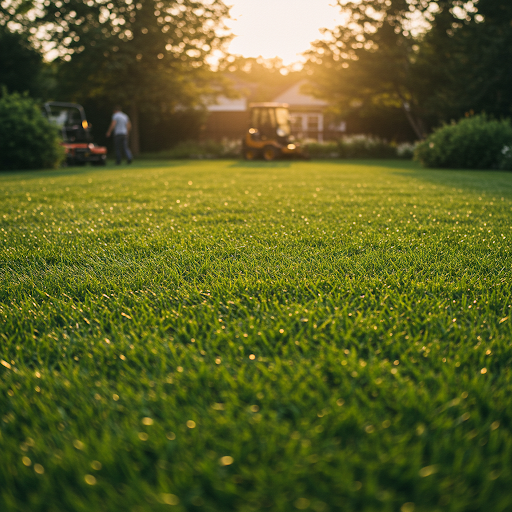
The Impact of Salt Air on Grass Salt carried by ocean breezes can settle onto your lawn and soil. Over time, this buildup may: Dehydrate grass blades by drawing out moisture. Alter soil composition, making it harder for roots to absorb water and nutrients. Cause browning or yellowing patches, especially in areas closest to the coast. Lawns in coastal communities like Dana Point often require specialized care to combat these effects. Ocean Breezes and Lawn Stress While the cool breezes are refreshing, constant winds can also: Dry out topsoil, requiring more frequent watering. Increase evaporation rates, reducing the efficiency of irrigation systems. Stress grass blades, especially if they are already weakened by salt exposure. The combination of salt and wind can make maintaining a vibrant, healthy lawn more challenging without the right approach. Tips to Protect Your Lawn in Dana Point Fortunately, there are proven strategies to minimize the impact of salt air and breezes on your grass: Choose Salt-Tolerant Grass Varieties Warm-season grasses like Bermuda, Zoysia, and St. Augustine tend to do better in coastal conditions. Deep, Infrequent Watering Watering thoroughly helps flush salt from the soil and strengthens root systems. Soil Amendments Adding organic matter or gypsum can improve soil structure and reduce salt buildup. Wind Barriers Strategic landscaping with shrubs, hedges, or fencing can shield lawns from direct ocean winds. Professional Lawn Care Services A local Dana Point lawn care company can create a customized plan that includes fertilization, aeration, and irrigation adjustments for coastal conditions. Why Professional Lawn Care Matters While DIY methods help, salt air and ocean breezes create ongoing challenges that require consistent management. Professional lawn care services in Dana Point, CA provide tailored treatments designed specifically for coastal soil and weather conditions. This ensures your yard stays green, resilient, and ready to enjoy all year long.